




A home inspection is one of the most important steps in a real estate transaction. Whether you are selling your home or preparing for a buyer’s inspection, a little preparation can help the process go more smoothly and reduce unnecessary stress. While an inspection is not a test you can pass or fail, being prepared allows the inspector to focus on the home itself rather than avoidable obstacles.
Understand the Purpose of the Inspection
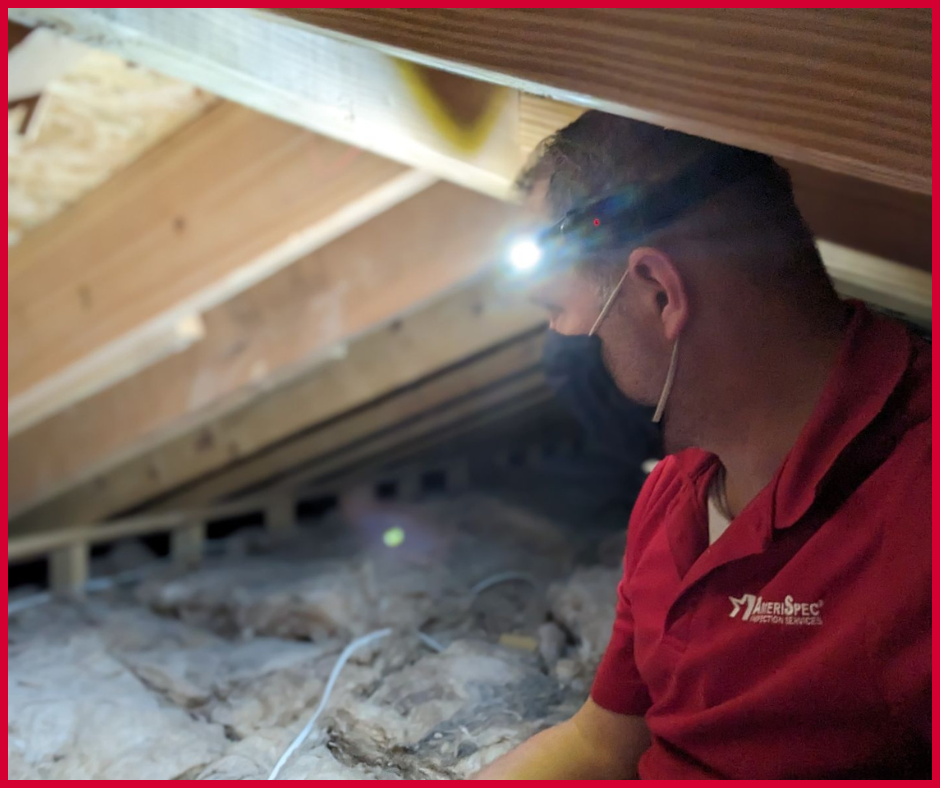
A home inspection is designed to provide an objective look at the current condition of the property. It documents how systems and components are performing at the time of the inspection and highlights areas that may need attention. Preparing ahead of time helps ensure the inspection reflects the home accurately, without delays or limitations caused by access issues.
Provide Clear Access Throughout the Home
Inspectors need safe, unobstructed access to key areas of the home. This includes electrical panels, attic openings, crawlspaces, basements, garages, and utility areas. Personal belongings, storage items, or locked doors can limit what can be evaluated and may lead to follow-up visits or incomplete findings. Taking time to clear pathways allows the inspection to be thorough and efficient.
Make Sure Utilities Are On
For a proper evaluation, utilities such as electricity, water, and gas should be turned on and functioning. If the home is vacant, confirm that these have not been shut off prior to the inspection. Without utilities, certain components cannot be evaluated, which can create gaps in the inspection report and raise questions for buyers.
Take Care of Small, Obvious Issues
Minor items may not seem significant, but they can stand out during an inspection. Simple fixes like replacing burned-out light bulbs, securing loose handles, or repairing a dripping faucet can help avoid unnecessary distractions. While inspectors are not looking for perfection, addressing easy items ahead of time can help keep the focus on more meaningful aspects of the home.
Secure Pets and Plan for a Calm Environment
Pets should be secured or removed from the home during the inspection. This helps keep everyone safe and allows the inspector to move freely throughout the property. A quiet, accessible environment makes it easier to complete the inspection without interruptions or delays.
Gather Relevant Home Information
If you have documentation related to repairs, upgrades, warranties, or renovations, having that information available can be helpful. While inspectors rely on what they observe, background details can provide useful context, especially for newer improvements or past concerns that have already been addressed.
Set the Right Expectations
It is important to remember that every home, even well-maintained ones, will have findings. An inspection report is meant to inform, not alarm. Preparing the home properly helps ensure the results are accurate, clear, and focused on what truly matters.
Final Thoughts
Preparing for a home inspection does not require major projects or renovations. A thoughtful approach centered on access, functionality, and transparency can go a long way. When a home is ready, the inspection process tends to move more smoothly, creating a better experience for everyone involved in the transaction.