Why Sewer & Septic Inspections Matter More Than You Think
Buying a home is exciting. You walk through, notice the finishes, picture your furniture in each room—and everything looks perfect.
But here’s the reality: some of the most expensive problems in a home are the ones you can’t see.
That’s where sewer and septic inspections come in.
The Hidden System Most Buyers Forget
Behind every sink, shower, and toilet is a system quietly doing its job—moving waste away from the home. And when that system fails, it’s not just inconvenient… it’s expensive.
We’re talking:
- Backups into the home
- Yard excavation
- Full system replacements
These aren’t small fixes. And unfortunately, a standard home inspection doesn’t always reveal what’s happening inside a sewer line or underground septic system.
What a Sewer Scope Inspection Actually Shows

A sewer scope inspection uses a specialized camera to travel through the home’s main sewer line, giving a real-time view of what’s going on inside the pipe.
It’s one of the only ways to truly know the condition of the line.
Common issues found:
- Tree roots growing into pipes
- Cracked or collapsed lines
- Grease or debris blockages
- Aging or deteriorating materials
Even homes that look “move-in ready” can have major sewer line issues—especially older homes or properties with large trees.
Septic Systems: Out of Sight, Not Out of Mind
If the home you’re buying has a septic system, an inspection isn’t just recommended—it’s essential.
Unlike sewer systems that connect to municipal lines, septic systems treat and manage waste on-site. That means the entire responsibility falls on the property owner.
A septic inspection evaluates:
- Tank condition and levels
- Signs of leaks or failure
- Drain field performance
- Overall system lifespan
A failing septic system can cost thousands to repair or replace—and it’s not something you want to discover after closing.
“But Everything Seems Fine…”
That’s the most common thing buyers say—and honestly, it makes sense.
Most sewer and septic problems don’t show obvious signs right away.
But when they do, it’s usually too late.
Subtle warning signs can include:
- Slow drains throughout the house
- Gurgling sounds in pipes
- Unpleasant odors inside or outside
- Wet or soggy spots in the yard
Still, many homes show no symptoms at all—which is why inspections matter so much.
A Small Investment That Can Save You Thousands
Here’s the bottom line: a sewer scope or septic inspection is a relatively small upfront cost compared to what you could be facing without one.
These inspections can:
- Help you avoid unexpected repairs
- Give you leverage in negotiations
- Provide clarity on system lifespan and maintenance
- Protect your long-term investment
It’s not about adding “extra services”—it’s about making sure you’re not walking into a hidden problem.
When Should You Get One?
If you’re buying a home, the answer is simple: before you close.
But they’re especially important if:
- The home is older
- There are large trees on the property
- You’re buying in a rural area
- The home uses a septic system
- You’ve had past plumbing issues
Final Thoughts
A home can look perfect on the surface—but what’s underground tells a different story.
Sewer and septic inspections give you a level of insight that most buyers don’t think about… until they wish they had.
If you’re already investing in a home inspection, taking the extra step to check these systems just makes sense.
Because when it comes to your home, what you can’t see matters just as much as what you can.
What Warm Weather Uncovers in a Home
As the seasons shift and the temperatures rise, homes begin to reveal details that often remain hidden during the colder months. The transition from winter to spring and summer doesn’t just change the weather—it changes how a home behaves. Understanding what warm weather uncovers in a home can help homeowners, buyers, and real estate professionals recognize issues early, protect investments, and maintain peace of mind.
Why Seasonal Changes Matter for Homes
During winter, snow, ice, and cold temperatures mask many issues within a property. Once the warmer weather arrives, however, those hidden concerns start to come to light. Expansion, moisture, and increased usage of cooling systems all play a role in how a home reacts to the change in seasons.
For homeowners, recognizing what warm weather uncovers in a home means preventing small concerns from growing into costly repairs. For homebuyers, it provides valuable insight into the property’s condition before making one of the largest purchases of their lives.
Foundation and Exterior Shifts
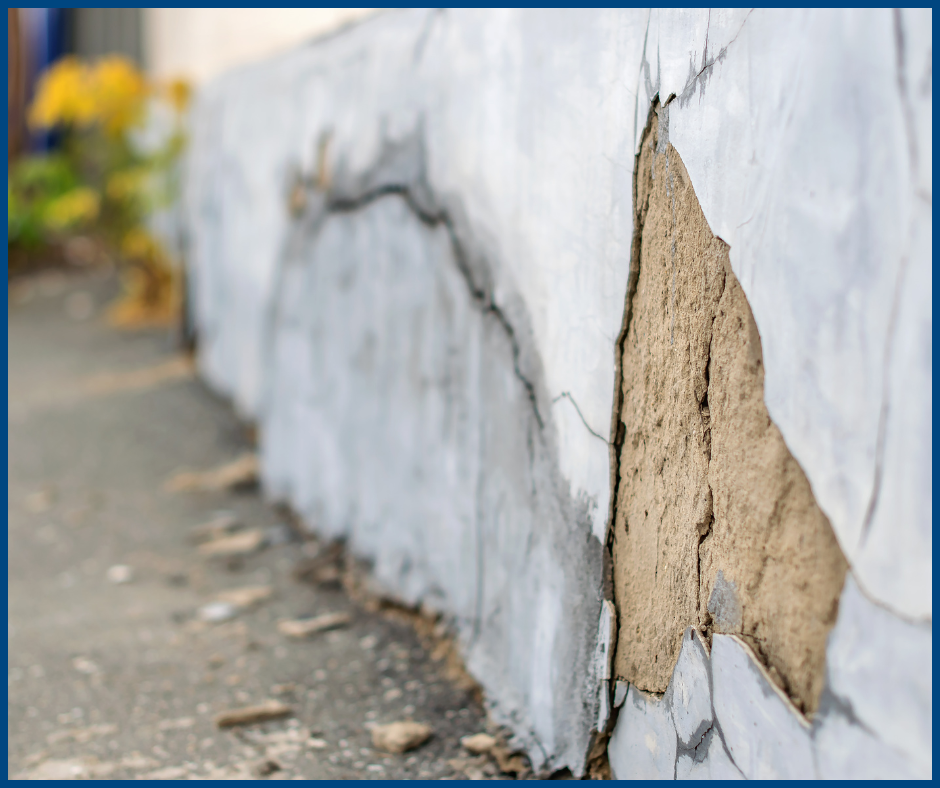
One of the first areas where changes become visible is the foundation and exterior. As ice and frost leave the ground, soil movement can expose cracks in foundations, driveways, and walkways. What may have looked stable during the winter can suddenly show wear and tear.
Drainage patterns are also easier to evaluate once spring rains arrive. Pooling water near a foundation or along the yard may reveal grading issues that weren’t obvious when the ground was frozen. These concerns are a prime example of what warm weather uncovers in a home, since long-term water intrusion can impact structural stability.
Roof and Attic Insights
Winter weather is tough on roofing materials. Heavy snow, ice dams, and high winds can all take their toll, but damage often isn’t visible until warmer months. Missing shingles, lifted flashing, or clogged gutters show up clearly in the sunlight.
Inside the attic, warm weather reveals signs of poor ventilation. Stuffy, overheated attics may indicate airflow problems that shorten roof life and affect energy efficiency. When it comes to what warm weather uncovers in a home, roofing and attic issues are some of the most critical to address quickly, since they directly protect the entire structure.
Moisture, Mold, and Indoor Air Quality
Humidity is one of the biggest challenges warmer months bring. Basements, crawl spaces, and bathrooms often display mold growth or musty odors once temperatures rise. Moisture stains hidden behind furniture or in corners can suddenly become noticeable.
This is a major health and comfort factor. Poor indoor air quality caused by mold and mildew affects not only the structure of the home but also the well-being of the people living inside. For both buyers and homeowners, identifying what warm weather uncovers in a home can prevent long-term health issues and expensive remediation.
Landscaping and Drainage Patterns
With grass growing and landscaping in full bloom, it becomes easier to evaluate how a property handles water flow. Low spots in the yard, clogged gutters, and ineffective downspouts become visible after spring rains.
Warm weather also highlights root intrusion from nearby trees, which can impact sidewalks, driveways, and even underground plumbing systems. Recognizing what warm weather uncovers in a home when it comes to landscaping and drainage helps protect both the property and surrounding environment.
Cooling and Electrical Systems Under Pressure
As temperatures rise, cooling systems are put to the test. Air conditioning units that seemed fine in winter may suddenly struggle to keep up with demand. Electrical wiring or panels may reveal weaknesses as fans, dehumidifiers, and other seasonal appliances increase usage.
For homebuyers, this is especially important—discovering what warm weather uncovers in a home can mean spotting outdated systems that may not be visible during a cold-weather showing. For homeowners, testing these systems early helps avoid breakdowns during peak summer heat.
Hidden Pests and Insects

Another seasonal challenge warm weather reveals is pest activity. Termites, carpenter ants, and rodents become more active when temperatures rise. Evidence of nests, droppings, or wood damage may suddenly become noticeable in spring and summer.
Since pest damage often remains hidden until it’s advanced, understanding what warm weather uncovers in a home can protect a property from serious structural harm. A proactive inspection can determine whether pests are present and help address them before they spread.
The Buyer and Seller Perspective
For homebuyers, viewing a property during warm months provides unique advantages. Issues with cooling, drainage, and outdoor maintenance are far easier to spot. On the other hand, sellers benefit from addressing these concerns before listing, since visible problems can affect both value and buyer confidence.
In both cases, what warm weather uncovers in a home plays a key role in negotiations. A property that demonstrates good maintenance and resilience through seasonal changes often stands out in the market.
The Role of a Professional Home Inspection
While seasonal shifts reveal many issues, not everything is obvious to the untrained eye. That’s where a professional home inspection becomes invaluable. Inspectors evaluate all major systems and structural components of the home, identifying both visible and hidden concerns.
A thorough inspection helps homeowners plan for maintenance, gives buyers peace of mind, and ensures sellers can present their property with confidence. It’s one of the most effective ways to fully understand what warm weather uncovers in a home.
Final Thoughts
Homes, like people, respond differently to the change in seasons. Warm weather brings longer days and brighter light, but it also exposes details that cold weather conceals. From foundation cracks to pest activity, what warm weather uncovers in a home provides valuable insights for maintaining safety, efficiency, and comfort.
By paying attention to these seasonal clues—and seeking the expertise of a professional inspector—homeowners and buyers alike can protect their investment and enjoy the warmer months with confidence.
Good Luck Charms Hidden In Homes
Homes often hold more than just furniture, memories, and family treasures. Across cultures and generations, houses have been decorated or built with subtle symbols believed to protect the people living inside. These good luck charms in homes may seem like everyday items, but their history tells a deeper story of protection, prosperity, and peace.
The Horseshoe by the Door

One of the most well-known good luck charms in homes is the horseshoe. Traditionally placed above the front door, it’s believed to ward off negative energy while inviting good fortune inside. Some people hang it pointing upward to hold luck in, while others hang it downward to pour luck onto all who enter.
Hidden Pennies in Foundations
Builders and homeowners in the past often tucked coins into a home’s foundation, walls, or under floorboards. These coins weren’t just for luck—they symbolized prosperity and were thought to ensure financial stability for those living in the house. Finding one today is like uncovering a tiny piece of history.
The Protective Evil Eye

In many cultures, the evil eye symbol has been used to deflect negativity. While more common in jewelry, it has also been placed near doors and windows as one of the protective good luck charms in homes, keeping watch over families inside.
Witch Bottles in Old Houses
Dating back centuries, witch bottles were hidden in walls, chimneys, or under floors. Filled with items like nails, herbs, or even hair, they were believed to trap negative energy and protect the household. While unusual, their presence is a fascinating reminder of past traditions.
Acorns for Strength and Longevity
In Northern European traditions, acorns were placed on windowsills or used as décor inside homes. The oak tree was a symbol of strength, protection, and endurance—making acorns a natural charm for safeguarding families through generations.
Why These Charms Matter Today
Even if you don’t believe in superstition, the stories behind good luck charms in homes add character to a property. They remind us of the hopes, beliefs, and traditions that past homeowners carried into their lives. Whether you uncover a hidden coin during a renovation or hang a horseshoe by your door, these symbols continue to connect homes with history and meaning.