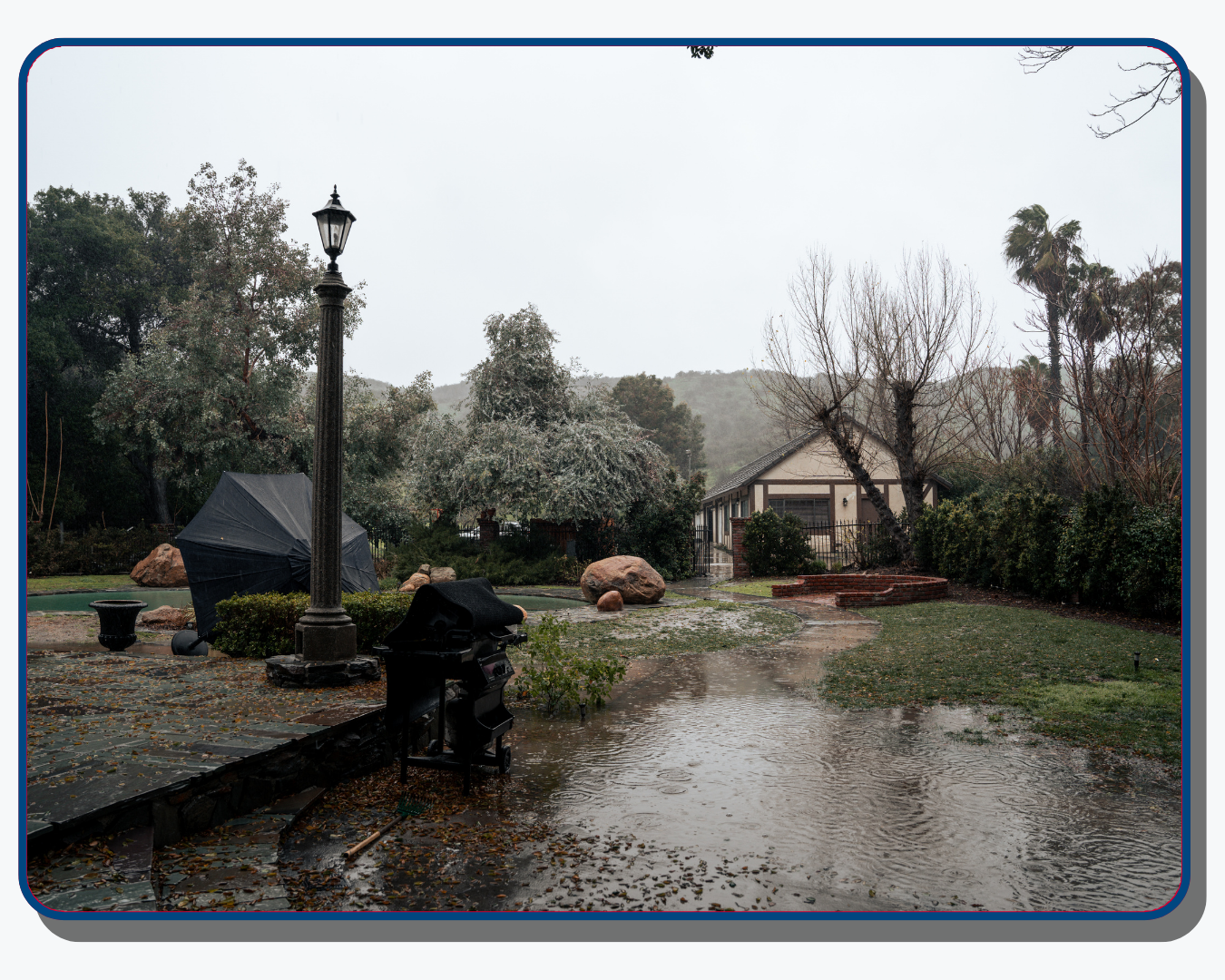
What That Smell, Crack, or Noise Could Really Mean
Have you ever wondered what that smell, crack, or noise could really mean in your home? Many homeowners ignore small warning signs at first, assuming they are harmless or simply part of an aging house. However, unusual odors, visible cracks, and strange noises are often your home’s way of alerting you to hidden issues. Understanding what that smell, crack, or noise could really mean can help you catch problems early before they become expensive repairs or major safety concerns.
Homes communicate with us more than people realize. A musty smell in the basement, a crack above a doorway, or a strange popping sound in the attic may seem minor at first, but sometimes these small warning signs point to larger hidden problems.
While not every unusual smell, crack, or sound means disaster is around the corner, understanding what that smell, crack, or noise could really mean can help homeowners make informed decisions and avoid costly repairs later.
Musty Smells Could Signal Moisture Problems

A damp or musty odor is one of the most common signs of hidden moisture intrusion. Many homeowners assume the smell is “just an old house smell,” but moisture trapped behind walls, under flooring, or inside crawl spaces can create the perfect environment for mold growth.
Common causes include:
- Poor ventilation
- Water leaks
- High humidity
- Basement seepage
- HVAC condensation issues
Moisture problems that go unnoticed can eventually lead to wood rot, damaged insulation, or indoor air quality concerns.
If you notice a persistent musty smell, especially in basements, bathrooms, or crawl spaces, it’s worth having the area evaluated before the problem spreads.
Cracks in Walls May Mean More Than Settling
Not all cracks are serious. Small hairline cracks can occur naturally as homes settle over time. However, certain cracks may indicate structural movement or foundation concerns.
Warning signs to watch for include:
- Cracks wider than 1/4 inch
- Stair-step cracks in brick
- Horizontal foundation cracks
- Cracks that continue growing
- Doors or windows suddenly sticking
These issues may point to shifting foundations, moisture intrusion, or structural stress.
A professional inspection can help determine whether a crack is cosmetic or something that needs immediate attention.
Popping, Banging, or Creaking Noises
Homes naturally make some noise as materials expand and contract with temperature changes. However, repeated or unusual sounds may indicate underlying issues.
Some examples include:
Banging Pipes
This may be caused by water hammer, loose plumbing lines, or pressure issues.
Creaking Floors
Could indicate normal settling, but excessive movement may point to weakened subflooring or moisture damage.
Popping in the Attic
Temperature changes can cause framing materials to shift, but persistent noises may warrant a closer look.
HVAC Noises
Rattling, squealing, or banging from your HVAC system could mean loose components, airflow restrictions, or mechanical wear.
Ignoring unusual noises can allow small maintenance issues to become larger repairs over time.
Rotten Egg Smells Should Never Be Ignored
A sulfur or rotten egg smell inside your home can sometimes indicate a natural gas leak. This is one warning sign homeowners should take seriously.
If you notice this odor:
- Leave the home immediately
- Avoid using electrical switches
- Contact your gas company or emergency services
Safety should always come first when strong gas-like odors are present.
Electrical Smells Could Mean Fire Hazards
A burning or fishy smell near outlets, switches, or electrical panels may indicate overheating wires or failing electrical components.
Additional warning signs include:
- Flickering lights
- Warm outlets
- Frequently tripped breakers
- Buzzing sounds from outlets or panels
Electrical problems should be evaluated promptly to help reduce fire risks.
Why Early Detection Matters
One of the biggest advantages of a professional home inspection is identifying problems before they become major expenses.
Small warning signs often lead to larger issues if ignored:
- Minor leaks can turn into mold problems
- Small foundation shifts can worsen over time
- Electrical issues can become safety hazards
- HVAC problems can reduce efficiency and lifespan
Paying attention to your home’s warning signs can help protect both your investment and your peace of mind.
When to Schedule a Professional Inspection
If you notice unusual smells, cracks, noises, or other changes in your home, a professional inspection can help uncover the root cause.
At AmeriSpec Inspection Services, our inspectors evaluate over 400 items throughout the home, helping homeowners better understand potential concerns before they become costly surprises.
From moisture intrusion and structural concerns to HVAC and electrical systems, having a trained professional assess your home can provide clarity and confidence.
Final Thoughts
Your home often gives subtle warning signs long before a major problem appears. Strange smells, growing cracks, or unusual noises may seem harmless at first, but they can sometimes point to hidden issues that deserve attention.
The earlier problems are identified, the easier — and often less expensive — they are to address.
Listening to what your home is telling you today could save you from major headaches tomorrow.