Why Your Energy Bills Spike In The Fall (and What to Do)
As summer fades and temperatures begin to drop, many homeowners notice something frustrating — their utility bills suddenly start climbing. Understanding why your energy bills spike in the fall can help you make smart adjustments before winter arrives and prevent unnecessary energy waste inside your home.
The truth is, fall creates a perfect storm for higher energy usage. Your HVAC system starts working harder, daylight hours become shorter, and hidden inefficiencies around the home become more noticeable. The good news? Many of these issues are manageable with a few simple steps.
Your Heating System Is Suddenly Working Again
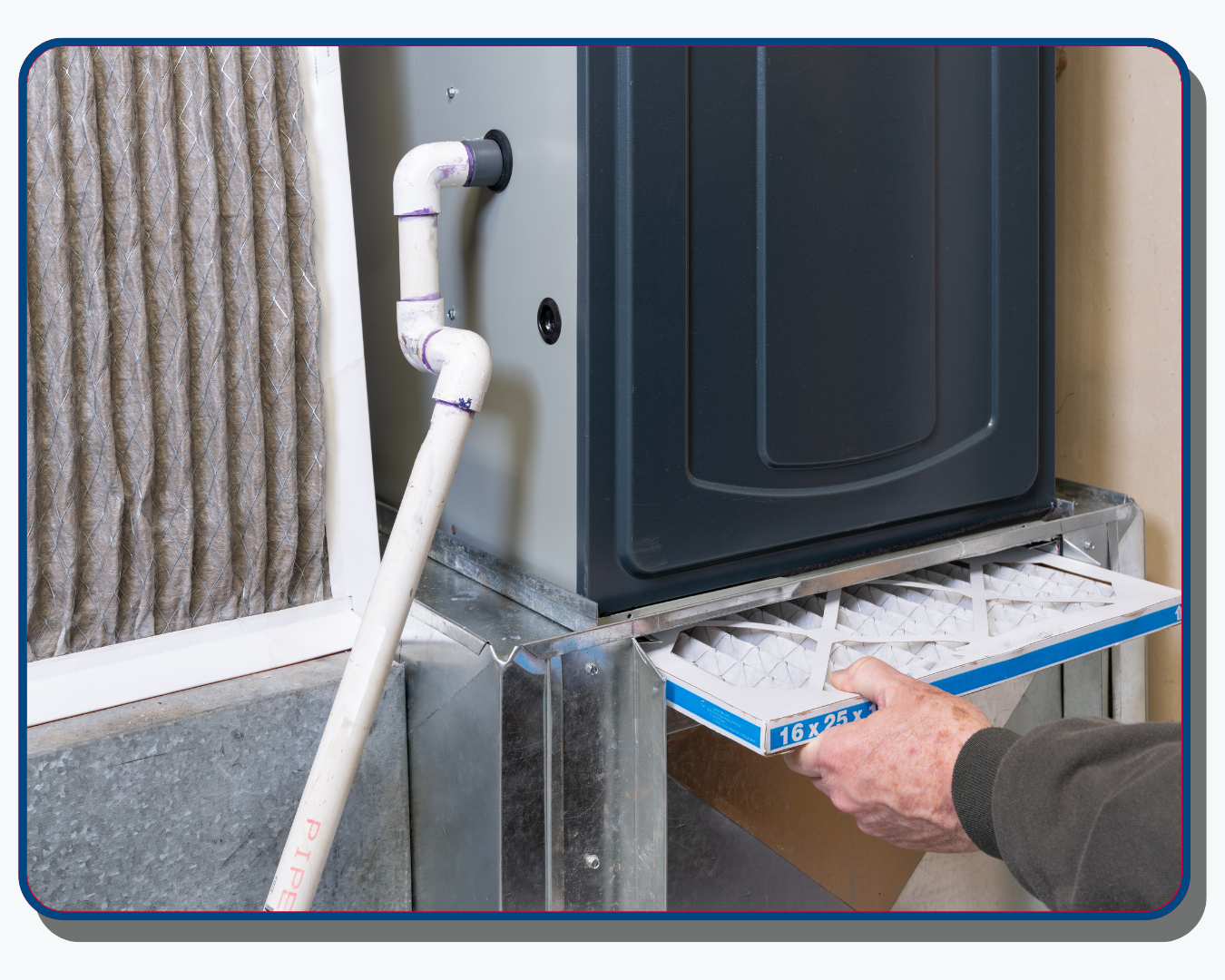
After months of minimal use during warmer weather, your furnace or heat pump kicks back into action during the fall season. If the system hasn’t been serviced or maintained, it may run inefficiently and consume more energy than necessary.
Dirty filters, clogged vents, aging components, or neglected maintenance can all force your HVAC system to work harder to heat your home evenly.
What To Do:
- Replace HVAC air filters regularly
- Schedule seasonal HVAC maintenance
- Check vents and registers for blockages
- Make sure your thermostat is functioning properly
Even small maintenance items can improve efficiency and reduce monthly heating costs.
Drafts Become More Noticeable
One major reason your energy bills spike in the fall is because cooler outdoor air starts sneaking into your home through tiny gaps and cracks.
Common problem areas include:
- Windows
- Exterior doors
- Attic openings
- Basement rim joists
- Garage access doors
When warm air escapes and cold air enters, your heating system must run longer to maintain the temperature you want.
What To Do:
- Add weatherstripping around doors
- Seal gaps with caulk
- Check attic insulation levels
- Use draft stoppers where needed
A well-sealed home can make a significant difference in comfort and energy efficiency.
Your Thermostat Settings Change
During summer, many homeowners keep thermostats relatively stable. In the fall, temperatures can fluctuate dramatically between chilly mornings and warmer afternoons, causing constant thermostat adjustments.
Frequent changes force your HVAC system to cycle more often, increasing energy use.
What To Do:
- Install a programmable or smart thermostat
- Maintain a steady temperature when possible
- Lower nighttime temperatures slightly
- Avoid dramatic thermostat swings
Smart thermostats can help reduce wasted energy while keeping your home comfortable.
Shorter Days Mean More Electricity Usage
Fall brings fewer daylight hours, which means lights, televisions, electronics, and appliances stay on longer throughout the day.
This increase in electrical usage often contributes more to utility bills than homeowners realize.
What To Do:
- Switch to LED lighting
- Turn off unused electronics
- Use smart power strips
- Take advantage of natural daylight when possible
Small electrical savings add up over the course of the season.
Hidden Home Issues Can Increase Energy Costs
Sometimes, rising utility bills are caused by problems homeowners don’t immediately notice.
Issues like:
- Poor attic insulation
- Moisture intrusion
- Air leaks
- Aging windows
- Ductwork leaks
can quietly reduce your home’s energy efficiency.
This is where a professional home inspection or thermal imaging inspection can be especially valuable. Thermal imaging can help identify hidden temperature differences, insulation gaps, and moisture issues that may be affecting your home’s performance.
Older Appliances Work Harder In Cooler Weather
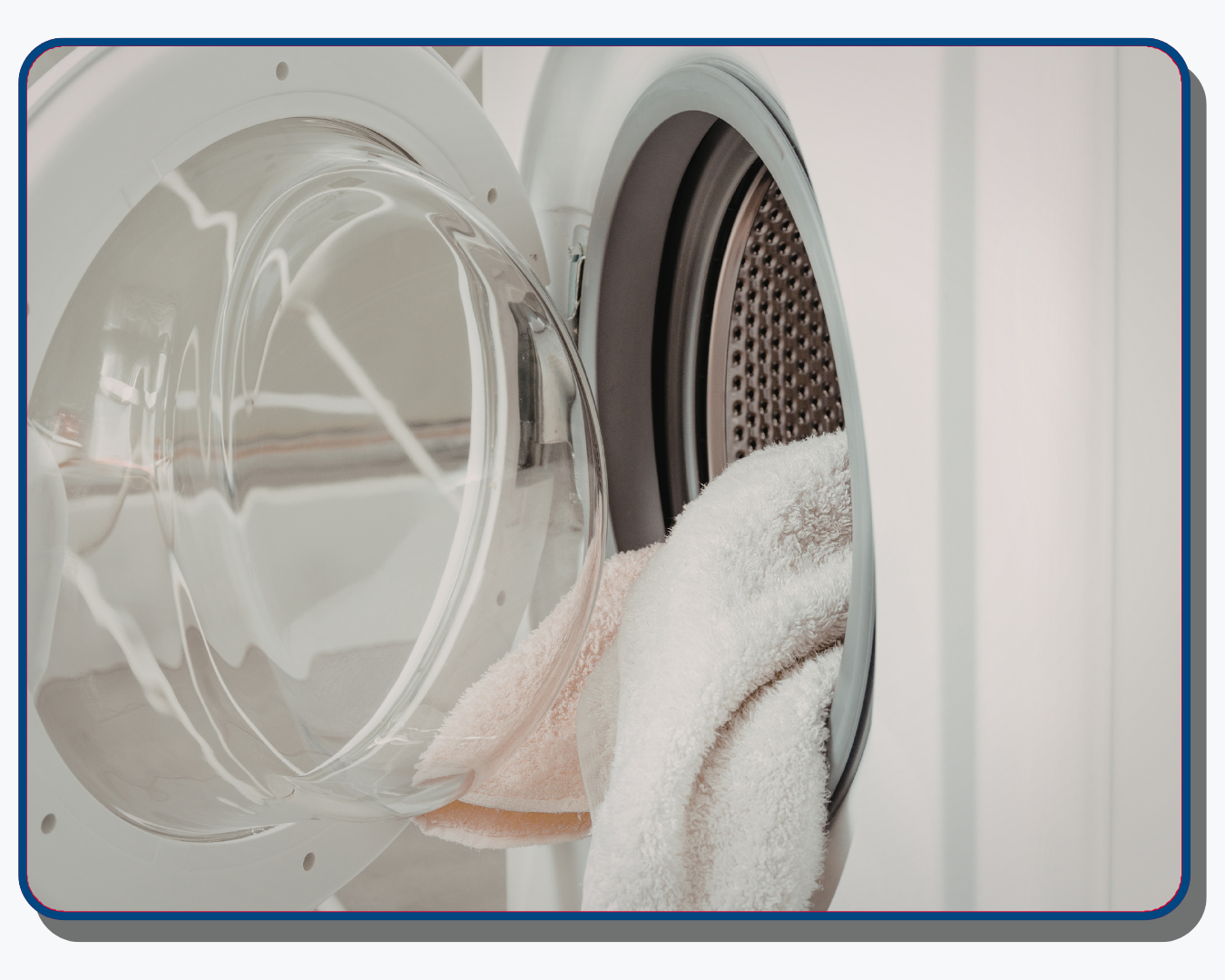
Water heaters, dryers, refrigerators, and other household appliances may work harder during colder months. For example, incoming water temperatures are colder in the fall and winter, meaning your water heater uses more energy to produce hot water.
What To Do:
- Insulate hot water pipes
- Lower water heater temperature slightly
- Clean dryer vents regularly
- Upgrade aging appliances when possible
Energy-efficient appliances can significantly lower long-term operating costs.
How To Prepare Your Home For Fall Energy Savings
If you want to avoid high seasonal utility bills, proactive maintenance is key. Fall is the perfect time to prepare your home before winter weather arrives.
Fall Energy Savings Checklist:
- Replace HVAC filters
- Schedule furnace servicing
- Seal air leaks
- Check attic insulation
- Clean gutters and vents
- Test your thermostat
- Reverse ceiling fan direction
- Inspect windows and doors for drafts
These simple tasks can improve comfort, reduce strain on your heating system, and help keep monthly bills under control.
Final Thoughts
If you’ve been wondering why your energy bills spike in the fall, the answer usually comes down to a combination of heating demands, air leaks, insulation problems, and increased electricity usage.
The good news is that many fall energy issues are preventable with regular maintenance and a few smart home improvements. Taking action now can help you save money, improve comfort, and reduce stress as colder weather approaches.
At AmeriSpec Inspection Services, we help homeowners identify hidden issues that may impact comfort, efficiency, and long-term home performance — because protecting your home goes far beyond the inspection.
What TikTok DIYs Sometimes Get Wrong
Social media has made home improvement more accessible than ever, but many homeowners do not realize how common TikTok DIY mistakes can be. In just 30 seconds, TikTok can teach homeowners how to paint cabinets, install flooring, patch drywall, clean HVAC systems, or even “fix” electrical and plumbing issues. While some projects are perfectly safe and helpful, many viral videos leave out important details that can lead to expensive repairs, safety hazards, or hidden damage.
At AmeriSpec Inspection Services, we often see the results of rushed or incomplete DIY projects during home inspections. Many homeowners start with good intentions, but TikTok DIY mistakes can create bigger problems than the original issue.
Before trying the next viral home hack, here are a few things TikTok DIY videos sometimes get wrong.
Cosmetic Fixes Can Hide Bigger Problems
One of the most common TikTok DIY mistakes is focusing on appearance instead of the actual problem. A quick patch, paint job, or peel-and-stick product may make something look better temporarily, but it does not always solve the underlying issue.
For example:
- Painting over water stains without fixing the leak
- Covering cracked foundation areas with filler
- Installing flooring over moisture-damaged subfloors
- Using caulk to hide movement or settling issues
These cosmetic fixes may look great on camera, but hidden problems can continue to worsen behind the scenes.
Electrical DIYs Are Often Oversimplified
TikTok makes electrical work look easy, but many videos skip critical safety steps. Replacing fixtures, outlets, or switches without understanding wiring requirements can create fire hazards or code violations.
Some common issues include:
- Overloaded circuits
- Improper wire connections
- Missing grounding
- Incorrect breaker sizes
- Unsafe junction box installations
Electrical systems should never be treated like a quick weekend trend. Even small mistakes can create serious safety concerns for homeowners.
Plumbing “Hacks” Can Cause Water Damage
Many viral plumbing tricks focus on fast fixes instead of long-term solutions. Unfortunately, water damage often develops slowly and remains hidden until major repairs are needed.
We commonly see:
- Incorrect pipe connections
- Improper drain slopes
- Temporary leak sealants failing
- DIY shower or sink installations leaking behind walls
- Over-tightened fittings causing cracks
Water intrusion can lead to mold growth, wood rot, and structural damage over time. Some TikTok DIY mistakes are not obvious until months later.
Ventilation and Airflow Are Frequently Ignored
A project may look finished on camera, but many videos fail to address proper airflow and ventilation requirements. This is especially common in bathrooms, attics, laundry areas, and crawl spaces.
Poor ventilation can contribute to:
- Excess moisture
- Mold growth
- Reduced HVAC efficiency
- Condensation problems
- Premature material deterioration
Home systems work together, and changing one area without understanding airflow can create unexpected issues elsewhere in the house.
Cheap Materials Are Not Always the Best Choice
TikTok trends often focus on affordability and speed. While saving money is important, some budget materials simply are not designed for long-term durability.
Examples include:
- Peel-and-stick flooring in high-moisture areas
- Inexpensive paint products without proper prep
- Low-quality sealants that crack quickly
- Furniture-grade materials used outdoors
- Temporary adhesive products replacing permanent fasteners
Some DIY shortcuts may look impressive online but fail much sooner than professionally installed materials.
Home Inspections Often Reveal DIY Shortcuts
During a home inspection, poorly completed DIY work can raise concerns for buyers and sellers alike. Even when projects appear visually appealing, inspectors look beyond the surface to identify safety concerns, moisture issues, structural concerns, and improper installations.
Common inspection findings tied to DIY work include:
- Unpermitted renovations
- Unsafe deck repairs
- Hidden water damage
- Improper electrical work
- Roofing shortcuts
- Venting issues
- Plumbing leaks
Not every DIY project is bad, but quality workmanship and proper installation matter.
DIY Projects Can Still Be Great — With the Right Approach
Home improvement projects can absolutely save money and build confidence when done correctly. The key is understanding the limits of online tutorials and knowing when professional guidance may be necessary.
Before starting a project:
- Research beyond short-form videos
- Follow manufacturer instructions
- Understand local building requirements
- Use the proper tools and materials
- Prioritize safety over speed
- Know when to call a professional
TikTok can provide inspiration, but homeowners should be careful not to confuse entertainment with expert instruction.
Final Thoughts
Social media has changed the way homeowners learn about maintenance and repairs, but not every viral trend is built for long-term success. Many TikTok DIY mistakes happen because important details are left out to keep videos short and entertaining.
A project that looks easy online may involve hidden risks involving moisture, electrical systems, structural components, or ventilation. Taking the time to do projects correctly can help protect your investment and avoid costly surprises later.
At AmeriSpec Inspection Services, we believe informed homeowners make better decisions. Whether you are buying, selling, or maintaining your home, understanding what is happening behind the walls matters just as much as what appears on the surface.