Halloween Decorations That Can Accidentally Damage Your Home
Halloween is the perfect excuse to turn your home into the creepiest house on the block. Giant spiders crawling across the roof, ghosts hanging from the gutters, lights around every window, and oversized inflatables can certainly get the neighborhood’s attention.
But before transforming your home into a haunted house, think about how everything is being attached, anchored, and powered.
Halloween decoration damage can happen when decorations are improperly attached to roofing, siding, gutters, and other exterior components. Electrical displays, extension cords, adhesives, and lawn stakes can also create problems when they aren’t used correctly.
For homeowners in Delaware and the Eastern Shore of Maryland, fall winds and unpredictable weather can add another challenge to outdoor decorating.
Here are some common decorating mistakes to avoid this Halloween.
1. Attaching Decorations to Your Roof or Shingles
That giant spider might look great stretched across the roof, but your shingles probably don’t appreciate being part of the display.
Avoid driving nails, screws, staples, or other fasteners directly into roofing materials. Creating holes in shingles can damage their protective surface and potentially provide an opportunity for moisture intrusion.
Heavy decorations can also scrape against or place unnecessary stress on roofing materials, especially when they move around in windy conditions.
Avoid Halloween decoration damage: Whenever possible, keep decorations off the roof entirely. Choose ground-level displays or attachment methods designed for temporary outdoor decorating that don’t require penetrating roofing materials.
2. Hanging Too Much From Your Gutters
Gutters are conveniently located for hanging lights, garland, ghosts, skeletons, and just about everything else.
That doesn’t mean they’re designed to support it.
Heavy decorations can pull on gutters and their fasteners. Wind can make matters worse by causing decorations to repeatedly tug, twist, or swing against the gutter system.
There’s another issue: Halloween falls right in the middle of leaf season. Decorations shouldn’t block gutters or interfere with proper drainage.
Use lightweight clips designed for holiday lights and avoid hanging heavy props from gutters.
3. Putting Holes in Your Siding
Stapling fake spiderwebs or screwing decorations directly into siding might make installation easy, but those small holes can remain long after Halloween is over.
Penetrating siding can potentially allow moisture behind the exterior covering. Some siding materials can also crack or become damaged when improperly fastened.
Instead, look for siding-compatible hooks, clips, or temporary mounting products designed for your particular exterior material.
4. Overloading Outdoor Electrical Circuits
Halloween displays have become much more elaborate than a carved pumpkin and a porch light.
Animated decorations, fog machines, projectors, inflatables, speakers, and strings of lights can add up quickly.
Plugging too many decorations into one outlet, power strip, or circuit can create an electrical safety concern.
Check the manufacturer’s electrical requirements for each decoration and make sure products being used outdoors are rated for outdoor use. Exterior receptacles should also have appropriate GFCI protection.
Preventing Halloween decoration damage isn’t only about protecting your roof and siding — it’s also about paying attention to how your display affects your home’s electrical system.
5. Using the Wrong Extension Cords
That extension cord from your living room drawer isn’t automatically suitable for your front yard.
Extension cords used outside should be specifically rated for outdoor use and appropriate for the electrical load they’re carrying.
Pay attention to where cords are placed, too. Running them across sidewalks, driveways, steps, or other walking areas can create a tripping hazard.
Avoid pinching cords in windows or doors, placing them where they can sit in standing water, or continuing to use cords that are cracked, frayed, or otherwise damaged.
6. Underestimating Giant Inflatables
Inflatable decorations can look harmless because they’re mostly filled with air.
Until the wind picks up.
Large inflatables can place significant force on their tie-down points during windy conditions. Attaching them to gutters, railings, siding, or other parts of the house that weren’t designed to anchor them could result in damage.
Loose inflatables can also become hazards during storms.
Follow the manufacturer’s anchoring instructions, use appropriate ground anchors, and consider deflating large decorations when strong winds or severe weather are expected.
7. Using Adhesives Without Checking the Surface
Adhesive strips and hooks can be a useful alternative to nails and screws, but they’re not foolproof.
Some adhesives may pull off paint or finishes when removed. Others may leave residue or fail to stick properly to textured, dirty, damp, or cold exterior surfaces.
Before covering your front door, trim, windows, or siding with adhesive hooks, make sure the product is intended for that particular surface and outdoor conditions.
Testing it on a small, inconspicuous area first can also help you avoid unwanted surprises when the decorations come down.
8. Driving Lawn Stakes Without Knowing What’s Below
Skeletons, tombstones, witches, ghosts, and pathway lights often come with stakes designed to be pushed into the ground.
Before you start driving stakes into the yard, remember that there may be more underneath your lawn than dirt.
Irrigation lines, landscape lighting wires, invisible pet fencing, drainage components, and other buried systems may be located beneath the surface.
Know where buried components are located and avoid blindly hammering long stakes into the ground.
9. Forgetting About Wind and Weather
A decoration that seems perfectly secure on a calm afternoon can behave very differently during a windy October night.
This is especially important for homeowners in Delaware and on Maryland’s Eastern Shore, where coastal weather can bring gusty conditions.
Check outdoor decorations periodically throughout the season, particularly after storms or windy days.
Look for loose fasteners, sagging decorations, damaged cords, shifted stakes, and decorations that have started rubbing against your roof, siding, windows, gutters, or other exterior components.
Avoid Halloween Decoration Damage This Spooky Season
Halloween decorations should scare the trick-or-treaters — not leave you with a home repair project in November.
Before hanging, staking, taping, plugging in, or inflating your decorations, take a few extra minutes to consider what they’re attached to and how they’ll hold up to fall weather.
Avoid penetrating roofing and siding when possible, don’t overload gutters or electrical circuits, use outdoor-rated electrical equipment, and properly secure larger decorations.
Taking a few precautions can help you avoid Halloween decoration damage while still creating a display worthy of spooky season.
Know What’s Going On With Your Home
Sometimes the problems around a home aren’t nearly as obvious as a giant skeleton hanging from the roof.
AmeriSpec Inspection Services provides professional home inspections throughout Delaware and the Eastern Shore of Maryland to help homeowners, buyers, and sellers better understand a property’s visible systems and components.
From roofing and exterior components to electrical, plumbing, HVAC, and more, understanding your home’s condition can help you make informed decisions about maintenance and repairs throughout the year.
How to Prepare Your Home Before the First Freeze
The first freeze of the season can sneak up quickly. One day feels like fall, and the next you’re waking up to frost on the lawn and temperatures near or below freezing.
Knowing how to prepare your home for the first freeze can help prevent cold-weather problems and give you time to take care of important maintenance before winter settles in. For homeowners across Delaware and Maryland’s Eastern Shore, a little preparation in the fall can go a long way toward protecting your home.
How to Prepare Your Home for the First Freeze
Here are eight areas around your home worth checking before temperatures drop.
1. Disconnect Your Garden Hoses
This is one of the easiest cold-weather preparations—and one that’s also easy to forget.
Disconnect garden hoses from exterior faucets before freezing temperatures arrive. Water left inside a connected hose or faucet can freeze and expand, potentially damaging the faucet or connected plumbing.
After disconnecting your hoses, drain them completely and store them somewhere protected for the winter.
If your home has shutoff valves for exterior faucets, this is also a good time to make sure you know where they are and how they work.
2. Protect Exposed Plumbing
Take a look at plumbing in areas that aren’t well heated, such as garages, crawlspaces, utility areas, or along exterior walls.
Exposed pipes in colder areas of the home may be more vulnerable when temperatures drop. Pipe insulation can provide additional protection, but it’s also important to look for drafts or openings that allow cold outside air to reach plumbing.
A little preparation now could help you avoid dealing with a frozen or burst pipe later.
3. Check Around Windows and Exterior Doors
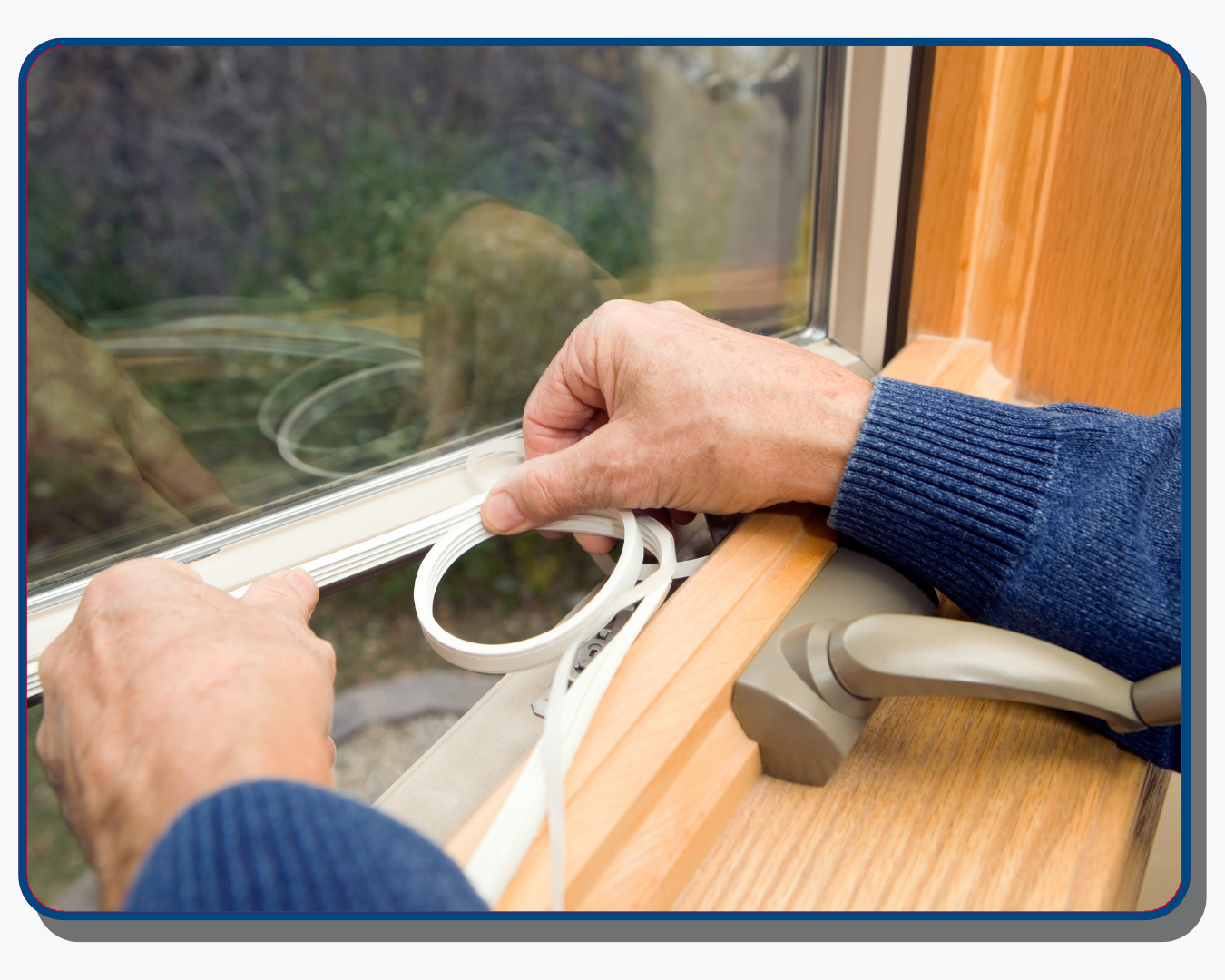
Cold air getting into your home doesn’t just make rooms uncomfortable—it can make your heating system work harder, too.
Walk around the home and look for deteriorated weatherstripping, visible gaps, damaged caulking, or areas where you can feel a noticeable draft.
Pay particular attention to older windows and exterior doors. Addressing small gaps before winter can help keep conditioned air inside and cold air outside.
4. Give Your Heating System Some Attention
Don’t wait for the first truly cold night to find out there’s a problem with your heating system.
Before temperatures begin regularly dipping toward freezing, turn the heat on and make sure the system appears to be operating properly.
Replace or clean the HVAC filter as recommended for your system, make sure vents and registers aren’t blocked, and consider professional servicing if your heating system is due for maintenance.
If something doesn’t sound, smell, or feel right when the system is running, it’s better to investigate before you really need the heat.
5. Take a Look at Your Gutters and Downspouts
By the time the first freeze arrives, falling leaves may have already started collecting in your gutters.
Clogged gutters and downspouts can prevent water from draining properly away from the home. When temperatures drop, standing water can freeze and create additional problems.
Make sure gutters are reasonably clear and downspouts are directing water away from the foundation.
While you’re outside, look for loose or damaged gutter sections that may need attention before winter weather arrives.
6. Check Exterior Openings
Take a walk around the exterior of your home and look for openings that shouldn’t be there.
Gaps around utility penetrations, damaged exterior materials, or deteriorated seals can allow cold air and moisture into areas of the home where you don’t want them.
These openings may also provide an inviting winter entrance for pests looking for somewhere warmer to stay.
7. Prepare Outdoor Equipment
Cold weather doesn’t only affect the house itself.
Drain and properly store seasonal outdoor equipment according to manufacturer recommendations. Put away items that could be damaged by freezing temperatures, and make sure outdoor furniture, grills, tools, and other equipment are ready for winter.
If you have an irrigation system, pool, outdoor shower, or other water-connected equipment, follow the appropriate winterization procedures for that system.
8. Don’t Forget Smoke and Carbon Monoxide Alarms
As heating systems, fireplaces, and other fuel-burning appliances see more use, fall is a good time to make sure your home’s safety devices are ready, too.
Test smoke alarms and carbon monoxide alarms throughout the home and replace batteries or units when needed according to the manufacturer’s recommendations.
It’s a small task that deserves a spot on every seasonal home maintenance checklist.
Get Your Home Ready Before Temperatures Drop
Learning how to prepare your home for the first freeze doesn’t require a major renovation or a long list of expensive projects. Many of the most important steps are simple maintenance tasks that can be handled before cold weather arrives.
Taking care of them now can help protect plumbing, improve comfort, reduce the chance of cold-weather surprises, and give you a better understanding of your home’s condition heading into winter.
And remember, not every concern around a home is easy to spot from the surface. A professional home inspection can provide a broader look at your home’s major systems and components and help identify areas that may deserve attention.