




As the seasons shift and the temperatures rise, homes begin to reveal details that often remain hidden during the colder months. The transition from winter to spring and summer doesn’t just change the weather—it changes how a home behaves. Understanding what warm weather uncovers in a home can help homeowners, buyers, and real estate professionals recognize issues early, protect investments, and maintain peace of mind.
Why Seasonal Changes Matter for Homes
During winter, snow, ice, and cold temperatures mask many issues within a property. Once the warmer weather arrives, however, those hidden concerns start to come to light. Expansion, moisture, and increased usage of cooling systems all play a role in how a home reacts to the change in seasons.
For homeowners, recognizing what warm weather uncovers in a home means preventing small concerns from growing into costly repairs. For homebuyers, it provides valuable insight into the property’s condition before making one of the largest purchases of their lives.
Foundation and Exterior Shifts
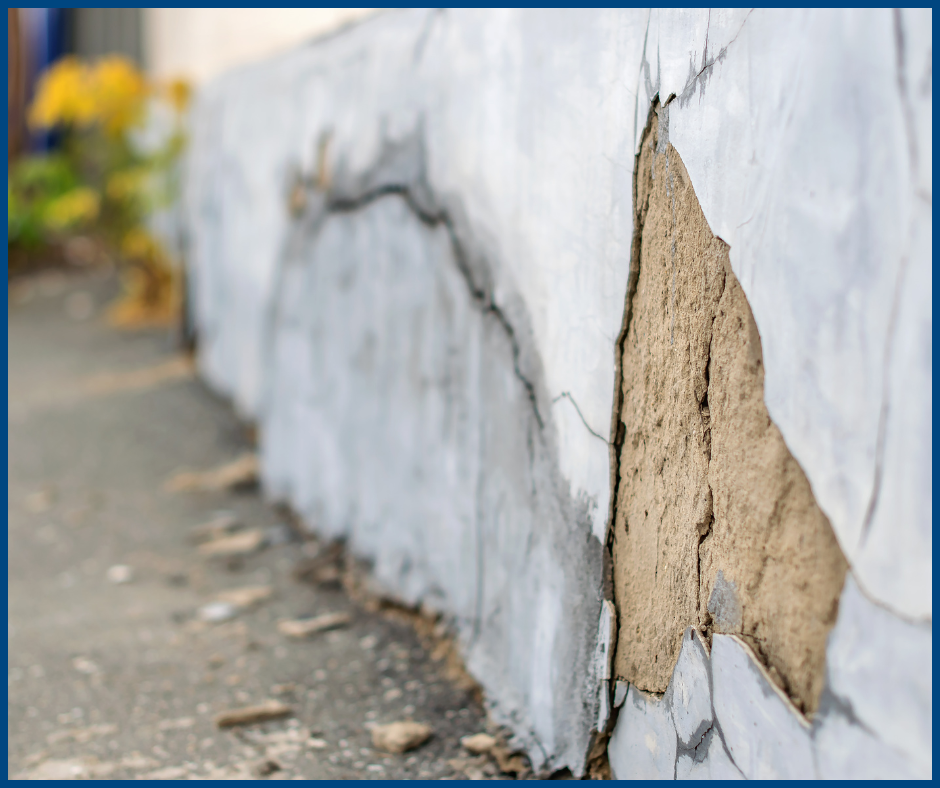
One of the first areas where changes become visible is the foundation and exterior. As ice and frost leave the ground, soil movement can expose cracks in foundations, driveways, and walkways. What may have looked stable during the winter can suddenly show wear and tear.
Drainage patterns are also easier to evaluate once spring rains arrive. Pooling water near a foundation or along the yard may reveal grading issues that weren’t obvious when the ground was frozen. These concerns are a prime example of what warm weather uncovers in a home, since long-term water intrusion can impact structural stability.
Roof and Attic Insights
Winter weather is tough on roofing materials. Heavy snow, ice dams, and high winds can all take their toll, but damage often isn’t visible until warmer months. Missing shingles, lifted flashing, or clogged gutters show up clearly in the sunlight.
Inside the attic, warm weather reveals signs of poor ventilation. Stuffy, overheated attics may indicate airflow problems that shorten roof life and affect energy efficiency. When it comes to what warm weather uncovers in a home, roofing and attic issues are some of the most critical to address quickly, since they directly protect the entire structure.
Moisture, Mold, and Indoor Air Quality
Humidity is one of the biggest challenges warmer months bring. Basements, crawl spaces, and bathrooms often display mold growth or musty odors once temperatures rise. Moisture stains hidden behind furniture or in corners can suddenly become noticeable.
This is a major health and comfort factor. Poor indoor air quality caused by mold and mildew affects not only the structure of the home but also the well-being of the people living inside. For both buyers and homeowners, identifying what warm weather uncovers in a home can prevent long-term health issues and expensive remediation.
Landscaping and Drainage Patterns
With grass growing and landscaping in full bloom, it becomes easier to evaluate how a property handles water flow. Low spots in the yard, clogged gutters, and ineffective downspouts become visible after spring rains.
Warm weather also highlights root intrusion from nearby trees, which can impact sidewalks, driveways, and even underground plumbing systems. Recognizing what warm weather uncovers in a home when it comes to landscaping and drainage helps protect both the property and surrounding environment.
Cooling and Electrical Systems Under Pressure
As temperatures rise, cooling systems are put to the test. Air conditioning units that seemed fine in winter may suddenly struggle to keep up with demand. Electrical wiring or panels may reveal weaknesses as fans, dehumidifiers, and other seasonal appliances increase usage.
For homebuyers, this is especially important—discovering what warm weather uncovers in a home can mean spotting outdated systems that may not be visible during a cold-weather showing. For homeowners, testing these systems early helps avoid breakdowns during peak summer heat.
Hidden Pests and Insects

Another seasonal challenge warm weather reveals is pest activity. Termites, carpenter ants, and rodents become more active when temperatures rise. Evidence of nests, droppings, or wood damage may suddenly become noticeable in spring and summer.
Since pest damage often remains hidden until it’s advanced, understanding what warm weather uncovers in a home can protect a property from serious structural harm. A proactive inspection can determine whether pests are present and help address them before they spread.
The Buyer and Seller Perspective
For homebuyers, viewing a property during warm months provides unique advantages. Issues with cooling, drainage, and outdoor maintenance are far easier to spot. On the other hand, sellers benefit from addressing these concerns before listing, since visible problems can affect both value and buyer confidence.
In both cases, what warm weather uncovers in a home plays a key role in negotiations. A property that demonstrates good maintenance and resilience through seasonal changes often stands out in the market.
The Role of a Professional Home Inspection
While seasonal shifts reveal many issues, not everything is obvious to the untrained eye. That’s where a professional home inspection becomes invaluable. Inspectors evaluate all major systems and structural components of the home, identifying both visible and hidden concerns.
A thorough inspection helps homeowners plan for maintenance, gives buyers peace of mind, and ensures sellers can present their property with confidence. It’s one of the most effective ways to fully understand what warm weather uncovers in a home.
Final Thoughts
Homes, like people, respond differently to the change in seasons. Warm weather brings longer days and brighter light, but it also exposes details that cold weather conceals. From foundation cracks to pest activity, what warm weather uncovers in a home provides valuable insights for maintaining safety, efficiency, and comfort.
By paying attention to these seasonal clues—and seeking the expertise of a professional inspector—homeowners and buyers alike can protect their investment and enjoy the warmer months with confidence.