


Moisture Trouble in Delaware: Protect Your Basement This Humid October
As the crisp days of fall settle in Delaware, October brings more than colorful leaves and pumpkin spice—it also brings humidity that can cause serious problems in basements and crawl spaces. Delaware basement moisture issues often worsen during this season because lingering humidity combines with cooler nights, encouraging condensation and trapped moisture.
Why October Brings Moisture Challenges
Delaware’s coastal climate keeps moisture levels high well into fall. Warm days paired with cool nights create the perfect environment for moisture to settle in basements. With windows often closed and HVAC systems switching between cooling and heating, moisture can get trapped indoors. This seasonal shift increases the risk of Delaware basement moisture issues, especially in homes without proper ventilation or drainage.
Warning Signs of Moisture Trouble
Be on the lookout for early signs of Delaware basement moisture issues:
-
-
Musty odors that won’t go away
-
Damp or clammy basement walls
-
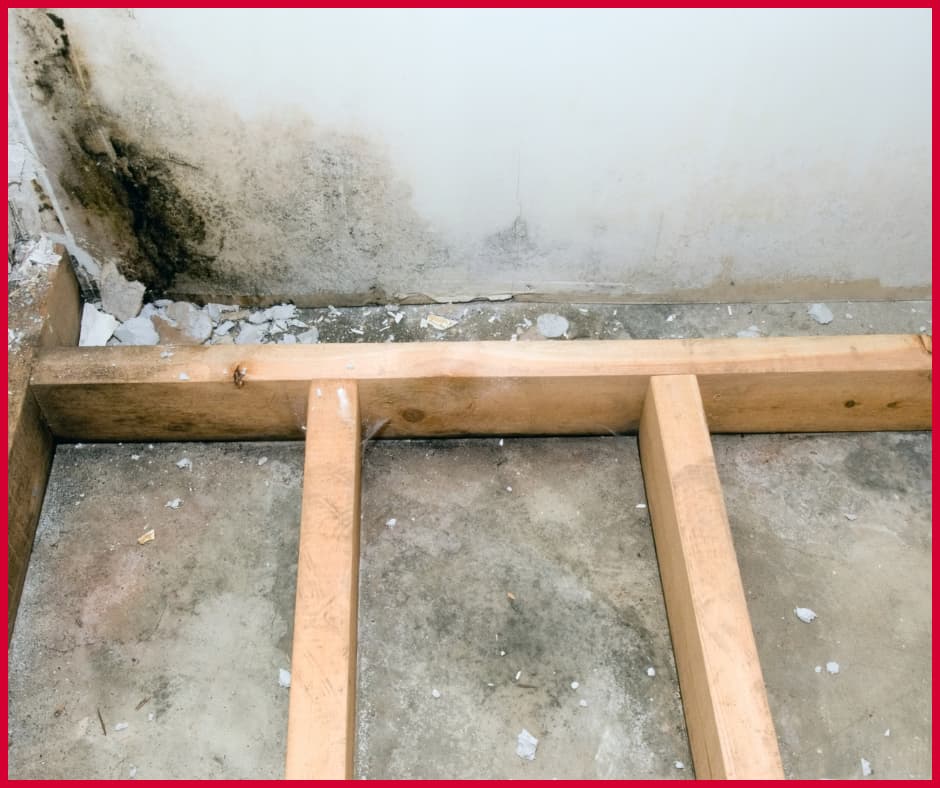
Peeling paint or white, chalky residue known as efflorescence
-
-
-
Mold or mildew growth
-
Warped wood or rusting fixtures
-
Ignoring these signs can lead to bigger problems, such as structural damage, mold infestations, and poor indoor air quality.
How to Protect Your Basement This Humid October
Here are some effective steps to reduce the risk of Delaware basement moisture issues this fall:
1. Inspect for Leaks and Cracks
Regularly check basement walls and floors for cracks or water stains. Even small cracks can allow moisture to seep in and cause damage over time.
2. Improve Drainage Around Your Foundation
Make sure gutters and downspouts are clear and direct water away from your home. The ground around your foundation should slope away to prevent water pooling.
3. Use a Dehumidifier
Running a dehumidifier in your basement helps maintain ideal humidity levels between 30% and 50%, discouraging mold growth and moisture buildup.
Don’t Wait Until It’s Too Late
Moisture trouble in basements is a common seasonal challenge in Delaware, especially in humid months like October. Addressing Delaware basement moisture issues early helps protect your home’s foundation and indoor air quality, keeping your basement dry, safe, and comfortable year-round.
Haunted or Just Neglected? What Inspectors Look for in Creepy Basements
There’s something about a dark, musty basement that sends a chill down anyone’s spine. Cobwebs, flickering lights, damp corners—it’s no wonder these spaces are often the star of horror stories. But before you assume your basement is haunted, it might just be neglected. In fact, that’s exactly what trained home inspectors are here to determine.
What Makes a Basement Feel Creepy?
Basements often lack proper lighting and ventilation, which creates the perfect breeding ground for spooky vibes—and real issues. Water stains, sagging insulation, and strange odors can trigger your imagination, but they’re usually signs of moisture intrusion, mold, or structural trouble.
When homeowners or buyers ask, “Is it haunted or just neglected?”—our answer is almost always the latter. But neglect can lead to costly damage if left unchecked.
What Home Inspectors Actually Look For
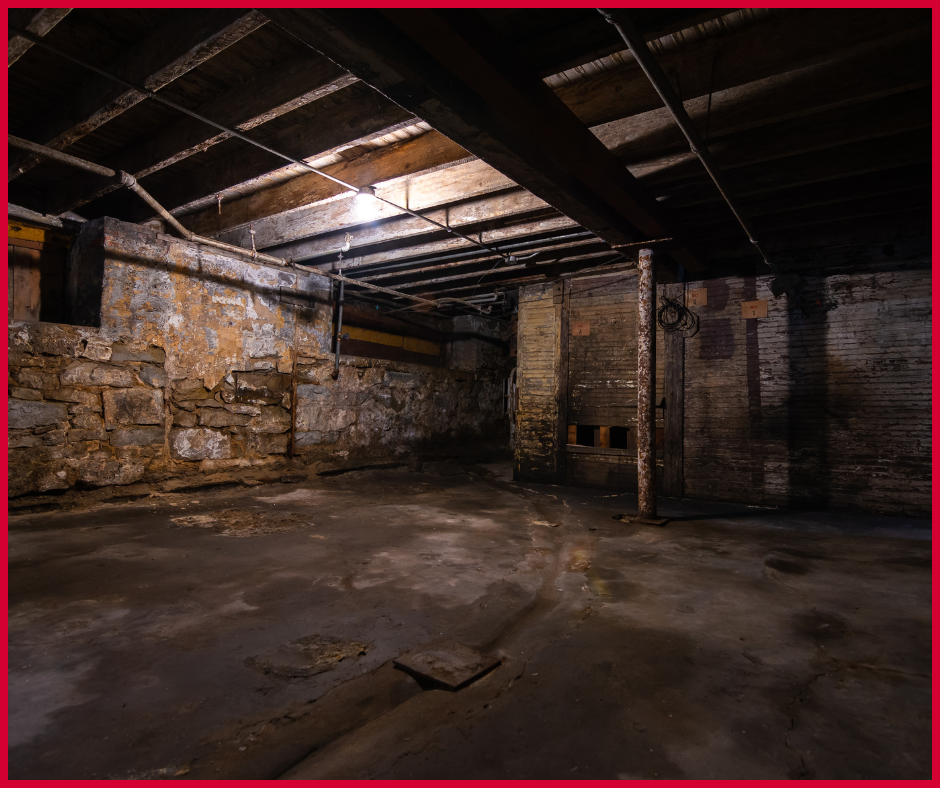
Home inspectors aren’t ghost hunters, but they do investigate the eerie signs that might be hiding serious problems. Here’s what they’re really scanning for in those shadowy corners:
-
Moisture and Mold: One of the top culprits in creepy basements. Inspectors use moisture meters to check for hidden leaks or elevated humidity.
-
Cracks in Walls or Floors: These can indicate foundation settlement, water pressure from outside, or even past flooding.
-
Pest Activity: Rodents and insects love undisturbed places. Chewed wires and droppings are red flags.
-
Outdated Electrical Work: Flickering lights might not be ghosts—they could be a sign of faulty wiring or overloaded circuits.
-
Improper Ventilation or Insulation: This contributes to that musty smell and accelerates mold growth.
When you’re wondering if the space is haunted or just neglected, a proper inspection pulls back the curtain—often revealing nothing supernatural, just issues that need addressing.
Creepy Doesn’t Mean Unfixable
The good news? Even the scariest-looking basement can be brought back to life with the right care. An inspection report gives homeowners and buyers a clear understanding of what’s really going on. Sometimes all it takes is improved drainage or a dehumidifier to make a space feel welcoming again.
So next time you find yourself asking, “Is this basement haunted or just neglected?”, call in a professional. They won’t bring sage or a spirit box—but they will bring the tools and experience needed to turn the fear factor into peace of mind.
Final Thoughts
Creepy basements may feel like something out of a horror movie, but more often than not, they’re just a result of wear, water, and time. If your home or a listing you’re eyeing has that haunted vibe, it’s time to find out if it’s haunted or just neglected—before letting your imagination run wild.