




The first freeze of the season can sneak up quickly. One day feels like fall, and the next you’re waking up to frost on the lawn and temperatures near or below freezing.
Knowing how to prepare your home for the first freeze can help prevent cold-weather problems and give you time to take care of important maintenance before winter settles in. For homeowners across Delaware and Maryland’s Eastern Shore, a little preparation in the fall can go a long way toward protecting your home.
How to Prepare Your Home for the First Freeze
Here are eight areas around your home worth checking before temperatures drop.
1. Disconnect Your Garden Hoses
This is one of the easiest cold-weather preparations—and one that’s also easy to forget.
Disconnect garden hoses from exterior faucets before freezing temperatures arrive. Water left inside a connected hose or faucet can freeze and expand, potentially damaging the faucet or connected plumbing.
After disconnecting your hoses, drain them completely and store them somewhere protected for the winter.
If your home has shutoff valves for exterior faucets, this is also a good time to make sure you know where they are and how they work.
2. Protect Exposed Plumbing
Take a look at plumbing in areas that aren’t well heated, such as garages, crawlspaces, utility areas, or along exterior walls.
Exposed pipes in colder areas of the home may be more vulnerable when temperatures drop. Pipe insulation can provide additional protection, but it’s also important to look for drafts or openings that allow cold outside air to reach plumbing.
A little preparation now could help you avoid dealing with a frozen or burst pipe later.
3. Check Around Windows and Exterior Doors
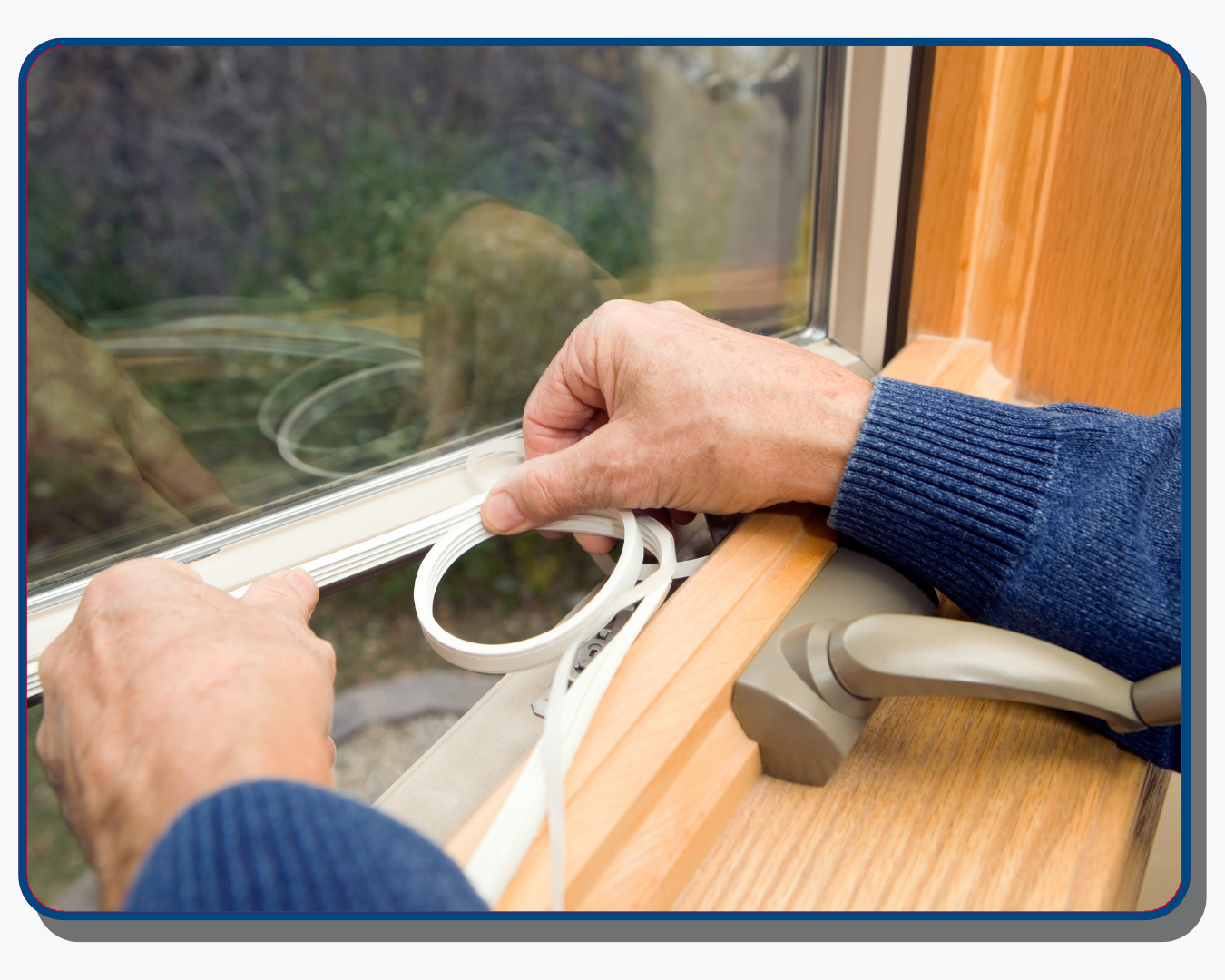
Cold air getting into your home doesn’t just make rooms uncomfortable—it can make your heating system work harder, too.
Walk around the home and look for deteriorated weatherstripping, visible gaps, damaged caulking, or areas where you can feel a noticeable draft.
Pay particular attention to older windows and exterior doors. Addressing small gaps before winter can help keep conditioned air inside and cold air outside.
4. Give Your Heating System Some Attention
Don’t wait for the first truly cold night to find out there’s a problem with your heating system.
Before temperatures begin regularly dipping toward freezing, turn the heat on and make sure the system appears to be operating properly.
Replace or clean the HVAC filter as recommended for your system, make sure vents and registers aren’t blocked, and consider professional servicing if your heating system is due for maintenance.
If something doesn’t sound, smell, or feel right when the system is running, it’s better to investigate before you really need the heat.
5. Take a Look at Your Gutters and Downspouts
By the time the first freeze arrives, falling leaves may have already started collecting in your gutters.
Clogged gutters and downspouts can prevent water from draining properly away from the home. When temperatures drop, standing water can freeze and create additional problems.
Make sure gutters are reasonably clear and downspouts are directing water away from the foundation.
While you’re outside, look for loose or damaged gutter sections that may need attention before winter weather arrives.
6. Check Exterior Openings
Take a walk around the exterior of your home and look for openings that shouldn’t be there.
Gaps around utility penetrations, damaged exterior materials, or deteriorated seals can allow cold air and moisture into areas of the home where you don’t want them.
These openings may also provide an inviting winter entrance for pests looking for somewhere warmer to stay.
7. Prepare Outdoor Equipment
Cold weather doesn’t only affect the house itself.
Drain and properly store seasonal outdoor equipment according to manufacturer recommendations. Put away items that could be damaged by freezing temperatures, and make sure outdoor furniture, grills, tools, and other equipment are ready for winter.
If you have an irrigation system, pool, outdoor shower, or other water-connected equipment, follow the appropriate winterization procedures for that system.
8. Don’t Forget Smoke and Carbon Monoxide Alarms
As heating systems, fireplaces, and other fuel-burning appliances see more use, fall is a good time to make sure your home’s safety devices are ready, too.
Test smoke alarms and carbon monoxide alarms throughout the home and replace batteries or units when needed according to the manufacturer’s recommendations.
It’s a small task that deserves a spot on every seasonal home maintenance checklist.
Get Your Home Ready Before Temperatures Drop
Learning how to prepare your home for the first freeze doesn’t require a major renovation or a long list of expensive projects. Many of the most important steps are simple maintenance tasks that can be handled before cold weather arrives.
Taking care of them now can help protect plumbing, improve comfort, reduce the chance of cold-weather surprises, and give you a better understanding of your home’s condition heading into winter.
And remember, not every concern around a home is easy to spot from the surface. A professional home inspection can provide a broader look at your home’s major systems and components and help identify areas that may deserve attention.